
A musty smell in your bathroom is one of those things you notice right away, and once it’s there, it’s hard to ignore. What makes it even more frustrating is when everything looks clean. There’s no visible mold, no obvious leak, and yet the smell keeps coming back.
In most cases, that odor comes from trapped moisture, poor airflow, or mildew growing somewhere out of sight. Bathrooms naturally deal with humidity every day, but when that moisture doesn’t dry properly, it lingers and starts to create that damp, stale smell over time.
The challenge is figuring out whether it’s something simple or something deeper. Sometimes it’s just a ventilation issue. Other times, it’s a sign that moisture has been sitting in places you can’t see.
What a Musty Bathroom Smell Usually Means
Bathrooms are designed to handle moisture, but they rely on that moisture clearing out quickly after use. When everything is working properly, humidity from showers fades within minutes and surfaces dry without much effort.
When a musty smell sticks around, it usually means that process isn’t happening the way it should. Moisture may still be hanging in the air, soaking into surfaces, or collecting in areas that don’t get enough airflow. Over time, this creates the ideal conditions for mildew and bacteria to develop.
That’s why the smell matters. It’s not just unpleasant. It’s a signal that moisture is staying in the space longer than it should.
Common Causes of a Musty Bathroom Smell
Most musty bathrooms don’t have a single cause. It’s usually a combination of small issues that build up over time. Understanding where moisture tends to linger can help you narrow down what’s happening in your space.
Poor Ventilation or Airflow
One of the most common causes is lack of airflow. If your bathroom doesn’t have a properly functioning exhaust fan, or if the fan isn’t strong enough, humidity stays trapped after every shower. You might notice mirrors staying foggy or the room feeling damp longer than expected.
That moisture settles into walls, ceilings, and fixtures, creating an environment where mildew can develop even if you’re cleaning regularly.
Hidden Moisture or Minor Leaks
Not all water problems are easy to spot. Small leaks behind walls, under sinks, or around tubs can go unnoticed for long periods of time.
Even a slow drip can keep surrounding materials damp, and because these areas are hidden, the musty smell is often the first sign that something isn’t right.
Mold or Mildew in Hard-to-See Areas
Mold doesn’t always grow where you can see it. It often develops behind tile, under flooring, inside caulking, or in corners where moisture collects and airflow is limited.
That’s why a bathroom can look clean but still smell off. You’re cleaning the visible surfaces, but the source of the odor may be just out of reach.
Old Materials That Hold Moisture
Older bathrooms tend to have more issues with lingering odors. Materials like grout, drywall, and older tile systems absorb moisture over time.
As they age, they don’t dry as easily. Instead, they hold onto moisture and release it slowly, which contributes to a constant background smell that never fully goes away.
Why the Smell Gets Worse After Showering
If the smell becomes more noticeable after a shower, that’s actually a helpful clue. Hot showers release a lot of humidity into the air very quickly, and if your bathroom can’t clear that moisture out efficiently, it spreads and settles into surfaces throughout the room.
When those surfaces are already holding some level of moisture, the added humidity makes the smell more noticeable. The shower isn’t creating the problem. It’s simply revealing moisture that’s already there.
Surface Fix vs Underlying Problem
When a bathroom smells musty, most homeowners start by cleaning more often or trying to mask the odor. That can work if the issue is minor. Improving airflow, replacing old caulking, or doing a deeper clean may help when the moisture problem is limited.
But if the smell keeps coming back, it usually means something deeper is going on. Cleaning products only address the surface and don’t remove moisture trapped behind walls or inside materials. At that point, the focus needs to shift from eliminating the smell to understanding why the bathroom is holding onto moisture in the first place.
When a Remodel Is the Right Solution
There are times when maintenance alone isn’t enough to fix the problem. If you’re dealing with a smell that won’t go away, recurring mold, or materials that feel damp or worn, the issue may be built into the bathroom itself. Older layouts, poor ventilation design, and moisture-prone materials can all contribute.
Even if you fix one area, the same conditions can cause the problem to return. A remodel changes that by improving airflow, replacing outdated materials, and designing the space to dry properly, so you’re solving the root cause instead of managing symptoms.
How Nulux Baths Helps Eliminate Moisture Problems at the Source
At Nulux Baths, we look at musty bathroom issues as more than just a cleaning problem. In most cases, they point to how the bathroom handles moisture overall, which is why our approach focuses on fixing that at the source.
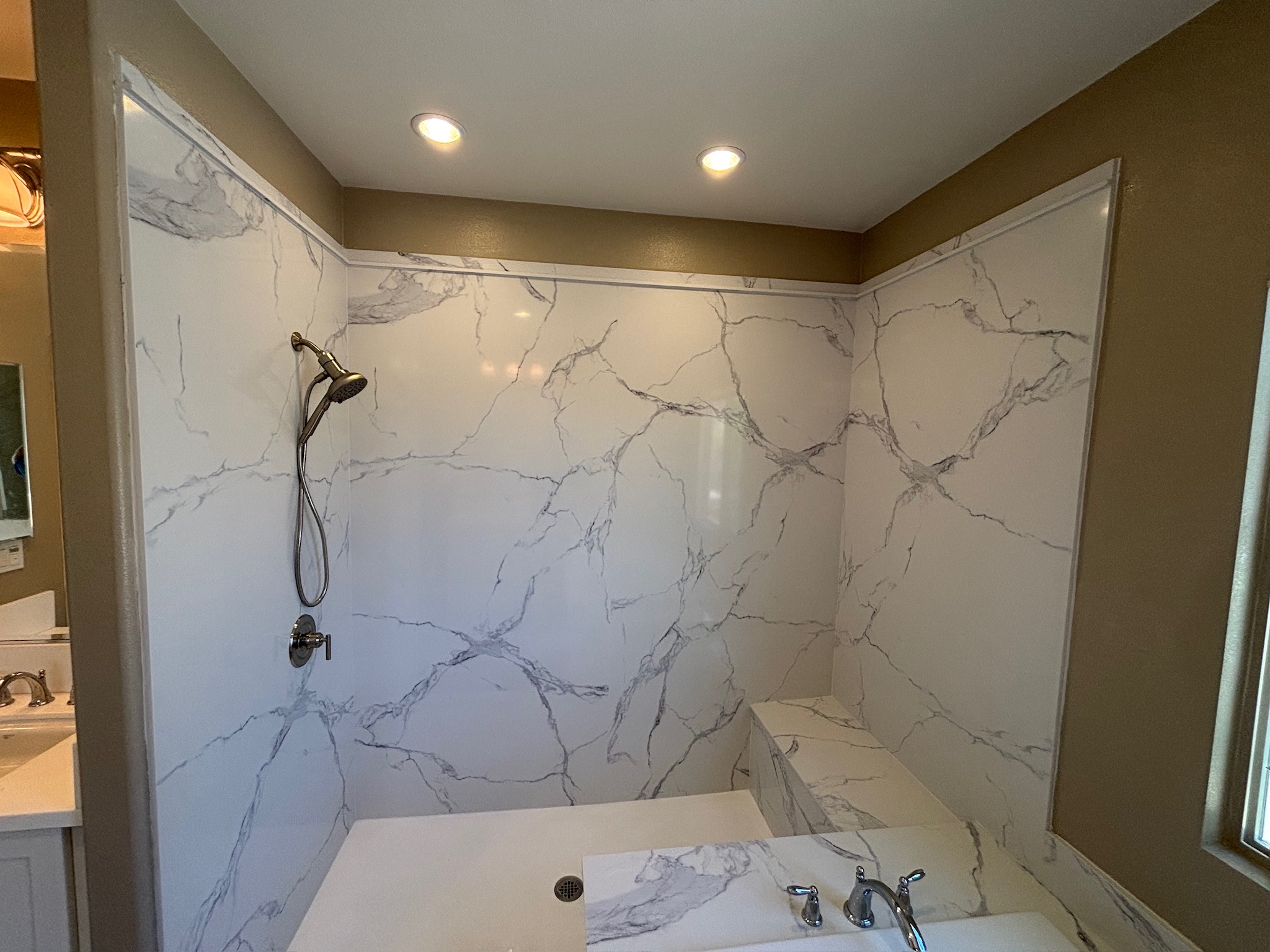
We use grout-free wall systems that don’t trap moisture like traditional materials and design each space with proper ventilation and airflow so it can dry efficiently after use. The result is a bathroom that feels cleaner, stays fresher, and is much easier to maintain over time. If your bathroom has a musty smell that won’t go away, we can help you identify the cause and create a long-term solution that actually fixes it.
Frequently Asked Questions
Yes. Musty odors are often caused by hidden moisture or mildew behind walls, under flooring, or inside materials. Even if surfaces look clean, trapped moisture can still create persistent smells.
It can help if poor ventilation is the main issue. However, if moisture is trapped in materials or there is hidden damage, upgrading the fan alone may not fully solve the problem.
If the smell keeps returning despite cleaning and improving airflow, it often points to hidden moisture. Recurring odors or mildew are strong signs the issue goes deeper than what you can see.