Key Takeaways
- A soft floor around the shower usually points to moisture damage below the surface. Water may have reached and weakened the subfloor over time.
- The source is often tied to the shower system. Failing caulking, cracked grout, poor waterproofing, or a leaking shower base can all allow water to spread underneath the floor.
- Fixing the moisture source is just as important as replacing damaged flooring. If the subfloor or shower system is compromised, a more complete repair or remodel may be needed to keep the problem from returning.
If the floor around your shower feels soft, spongy, or slightly bouncy when you step on it, that is not normal. It may seem like a small issue, but it is usually a sign that water has been getting below the surface and slowly damaging what’s underneath.
In most cases, a soft bathroom floor is caused by long-term moisture intrusion that has weakened the subfloor. What you are feeling is not just surface wear. It is often the result of water getting past the shower system and breaking down the structure below over time.
What a Soft Bathroom Floor Usually Means
A bathroom floor should feel solid and stable. When it starts to feel soft, it usually means moisture has reached the subfloor beneath the finished surface. Most subfloors are made from materials like plywood, which can absorb water and lose strength when exposed over time.
This type of damage develops gradually. By the time the floor feels soft, the issue has often been there for a while. Even if the surface still looks okay, the materials underneath may already be deteriorating.
Common Causes of Soft Flooring Around Showers
This issue almost always comes back to water getting where it should not. The most common causes are tied to how the shower is built and how well it keeps moisture contained.
Leaking Shower Pan or Base
A failing or poorly installed shower pan can allow water to seep underneath the floor instead of directing it to the drain. Once water gets below the surface, it tends to stay there and spread into nearby materials.
Cracked Grout or Failing Caulking
Small cracks in grout or worn-out caulking can let water pass through over time. Around a shower, repeated exposure adds up quickly and can lead to damage below the tile or along edges.
Poor Waterproofing During Installation
Some bathrooms were not built with proper waterproofing behind the walls or below the floor. Without that barrier, everyday water exposure can slowly reach the subfloor and cause long-term damage.
Long-Term Moisture Exposure
Even without a major leak, repeated moisture combined with poor ventilation can wear down materials over time. Bathrooms that do not dry out properly are more likely to develop soft spots near the shower.
Signs the Damage Goes Beyond the Surface
A soft floor is often just the first sign. If the area feels worse over time or shifts slightly when you step on it, that usually means the subfloor has been compromised.
You may also notice loose or cracked tiles, musty odors, or discoloration near the shower. When these signs appear together, it usually points to moisture damage below the surface rather than a simple cosmetic issue.
Can a Soft Bathroom Floor Be Repaired?
In some cases, yes. If the damage is small and caught early, it may be possible to remove the affected section, replace the materials underneath, and fix the source of moisture.
However, once water damage reaches the subfloor or is tied to the shower system itself, repairs become more involved. The flooring must be removed, damaged materials replaced, and the root cause fully addressed. If the source of moisture is not fixed, the problem is likely to return.
When a Remodel Makes More Sense Than Repairs
There are situations where repairs are no longer the best long-term solution. If the damage is widespread, the shower is outdated, or the bathroom lacks proper waterproofing, patching one area often leads to ongoing issues.
A bathroom remodel allows you to remove damaged materials, replace a failing shower system, and rebuild the space correctly. Instead of continuing temporary fixes, you are addressing the root cause and preventing the problem from coming back.
How Nulux Baths Prevents Future Water Damage
At Nulux Baths, we focus on solving moisture problems at their source. A soft bathroom floor is usually the result of water getting past weak points in the shower, which is why proper materials and installation matter.
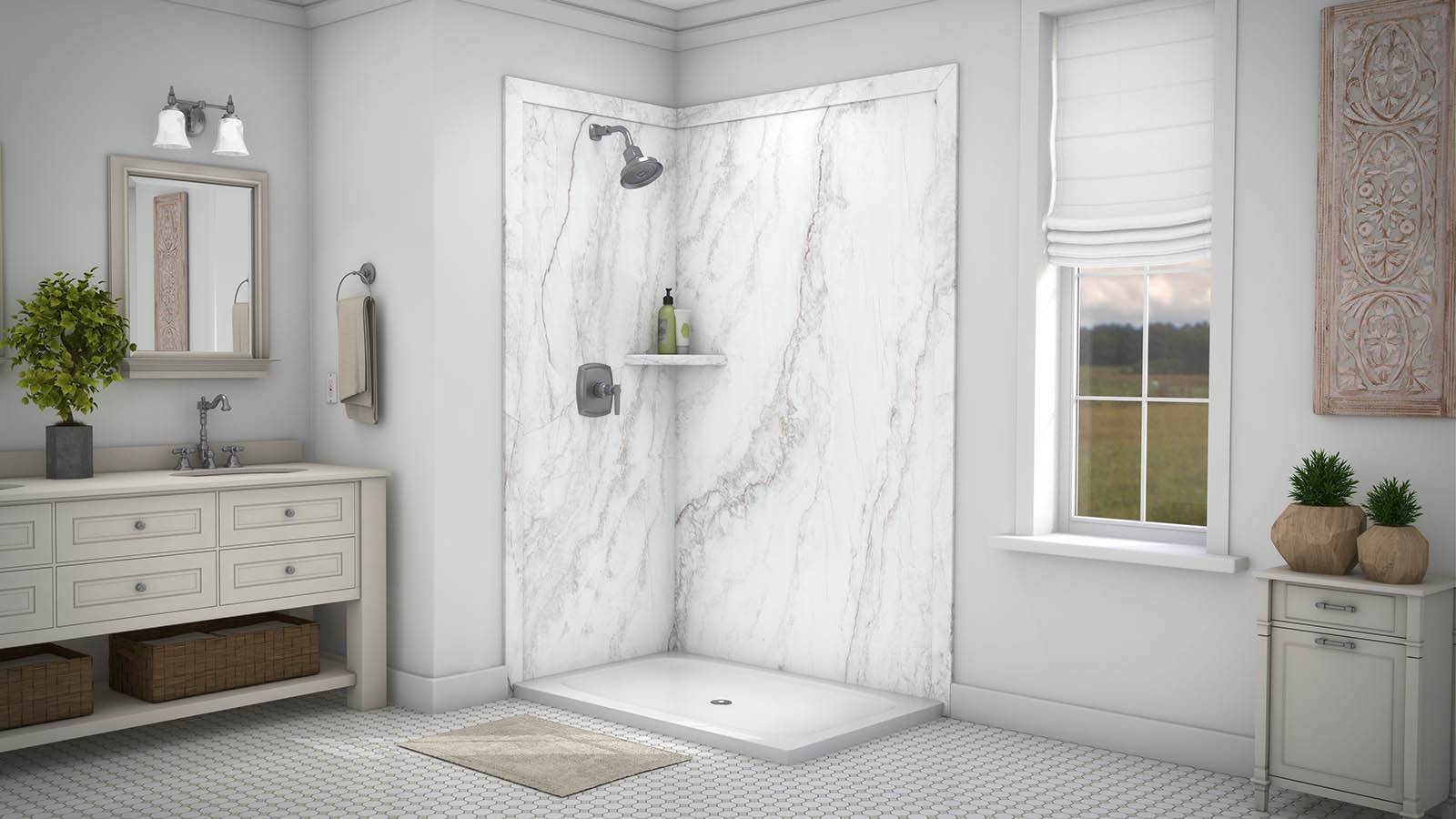
We use grout-free wall systems, modern shower bases, and proven waterproofing methods to keep water contained and moving where it should. Our approach helps prevent hidden moisture damage and creates a bathroom that is easier to maintain over time.
If your floor feels soft around the shower, schedule a consultation with Nulux Baths and we will help you identify the cause and build a long-term solution.
Frequently Asked Questions
It can be. A weakened subfloor may become less stable over time and can lead to safety concerns if left untreated.
Soft or spongy spots, movement underfoot, loose tiles, and musty odors are common signs. These usually indicate moisture has reached the materials below.
Sometimes, if the issue is small and not caused by the shower itself. If the shower is the source, replacement is usually the more reliable long-term fix.