
For many homeowners, there comes a point when they realize their bathtub hasn’t been used in years. It takes up space, collects dust, and feels more like an obstacle than a feature. Meanwhile, daily routines revolve around quick, practical showers.
Homeowners convert bathtubs to walk-in showers for improved safety, easier access, modern design, and better everyday usability. Whether you’re thinking ahead about aging in place or simply want a more updated and functional bathroom, a tub-to-shower conversion can be a practical upgrade that fits your current lifestyle and future needs.
The Two Most Common Reasons Homeowners Make the Switch
While every home is different, most decisions to replace a bathtub fall into two main categories: safety and lifestyle preference.
Some homeowners prioritize accessibility and long-term comfort, while others are motivated by modern design and better use of space.
Improved Safety and Accessibility
Stepping over a high bathtub wall may not seem like a big deal at first, but it can become increasingly difficult over time. For aging homeowners or those recovering from injuries, that high threshold presents a real safety concern.
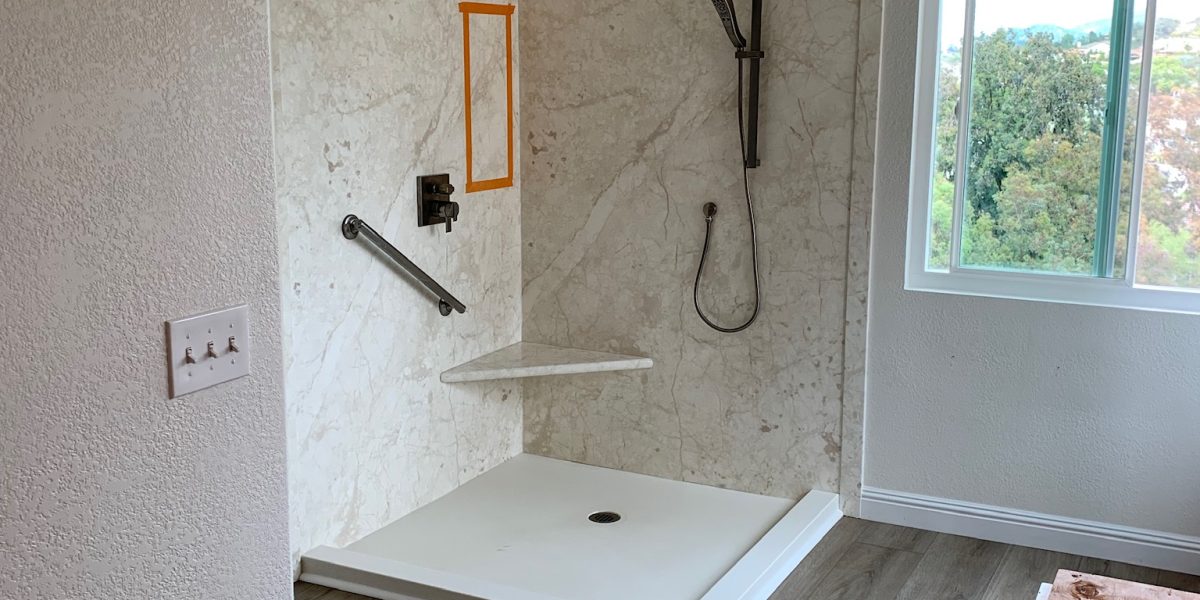
Bathrooms are one of the most common places for slips and falls. A walk-in shower eliminates the need to climb over a tub edge and can include features like low or zero-threshold entry, slip-resistant flooring, built-in seating, and properly placed grab bars.
For homeowners planning to age in place or navigating mobility changes, converting to a walk-in shower creates a safer daily routine without sacrificing style.
Modern Design and Better Use of Space
Many homeowners admit they simply do not use their bathtub. If showers are the preferred choice in your household, the tub may be taking up valuable square footage.
Replacing it with a walk-in shower can make the bathroom feel larger and more open. Glass enclosures allow more natural light to flow through the room, while updated fixtures and streamlined wall systems create a clean, contemporary look. For younger homeowners especially, this upgrade aligns the space with modern preferences and practical daily use.
Who Is a Tub-to-Shower Conversion Best For?
A tub-to-shower conversion isn’t just for one type of homeowner. It’s a great fit for people planning to age in place, individuals with mobility concerns or recovering from an injury, busy households that primarily use showers, and homeowners looking to modernize an outdated bathroom. If your bathroom should better reflect your lifestyle, safety priorities, or design preferences, a walk-in shower can meet those goals. The project works equally well for those focused on accessibility and those focused on aesthetics.
Maintenance and Cleaning Benefits
Traditional bathtubs surrounded by tile often include multiple grout lines and hard-to-reach corners where soap residue and mildew collect. Scrubbing around curved tub edges and cleaning grout can quickly become frustrating.
Walk-in showers, especially those designed with modern wall systems, simplify cleaning. With fewer grout lines and flat wall panels, surfaces are easier to wipe down and maintain. Open layouts also reduce tight corners where moisture tends to linger.
Over time, many homeowners find that maintaining a walk-in shower requires less effort than maintaining a traditional tub-and-tile combination.
Does Converting a Tub to a Shower Affect Resale Value?
Resale value is a common concern when removing a bathtub. The impact depends largely on your home’s layout and location.
In homes with multiple bathrooms, converting one tub to a walk-in shower typically does not hurt resale value. In fact, many buyers prefer spacious, modern showers. Walk-in showers are especially appealing when designed with neutral finishes and quality materials that complement the overall home.
It is generally wise to retain at least one bathtub in the home, particularly in neighborhoods where families with young children are common. The key is balance. A well-designed conversion can increase buyer appeal by showcasing an updated, functional space without limiting future buyers’ needs.
What to Expect During a Tub-to-Shower Conversion
Understanding the process helps homeowners feel more confident about moving forward.
A professional tub-to-shower conversion typically begins with removing the existing bathtub. The plumbing is inspected and adjusted if necessary to accommodate the new shower layout. A shower base and wall system are then installed, followed by updated fixtures such as showerheads and controls.
While the project may appear straightforward, proper waterproofing and drainage are critical. Professional installation ensures long-term durability, prevents leaks, and protects surrounding materials from moisture damage.
How Nulux Baths Designs Safe, Modern Walk-In Showers
At Nulux Baths, we design tub-to-shower conversions to feel safer, more open, and easier to live with every day. We understand that homeowners want more than a simple replacement. They want a shower that looks modern, functions better, and stays easy to maintain over time.
We use grout-free wall systems to reduce maintenance and resist moisture buildup, and we offer options such as low-threshold entry, built-in seating, and grab bars when needed. Every project is carefully planned to ensure proper waterproofing, efficient installation, and long-term durability. If you’re considering converting your bathtub, schedule a consultation with Nulux Baths to explore your options and receive a personalized design plan.
Frequently Asked Questions
Most professional tub-to-shower conversions can be completed within a few days, depending on the scope of the project. Minor plumbing adjustments or custom features may extend the timeline slightly.
Not necessarily. In homes with more than one bathroom, converting one tub to a shower typically does not negatively affect resale value. Many buyers prefer modern walk-in showers, especially when designed with quality materials.
Yes. Walk-in showers can include grab bars, built-in benches, slip-resistant flooring, and low-threshold entry options. These features can be integrated seamlessly into the design for both safety and style.